Why Your Website Needs an Introductory Video (and Why You Don't Need to Be Afraid of It at All)
Imagine you are looking for a therapist, an accountant, an architect, or a tutor. You open three different websites. On two of them, you find only text and a single professional, somewhat stiff photo. On the third one, there is a two-minute video where a real person smiles at you, speaks in a calm voice about how they help their clients, and you instantly know what they are like. Who do you contact first?
· updated · 5 min read
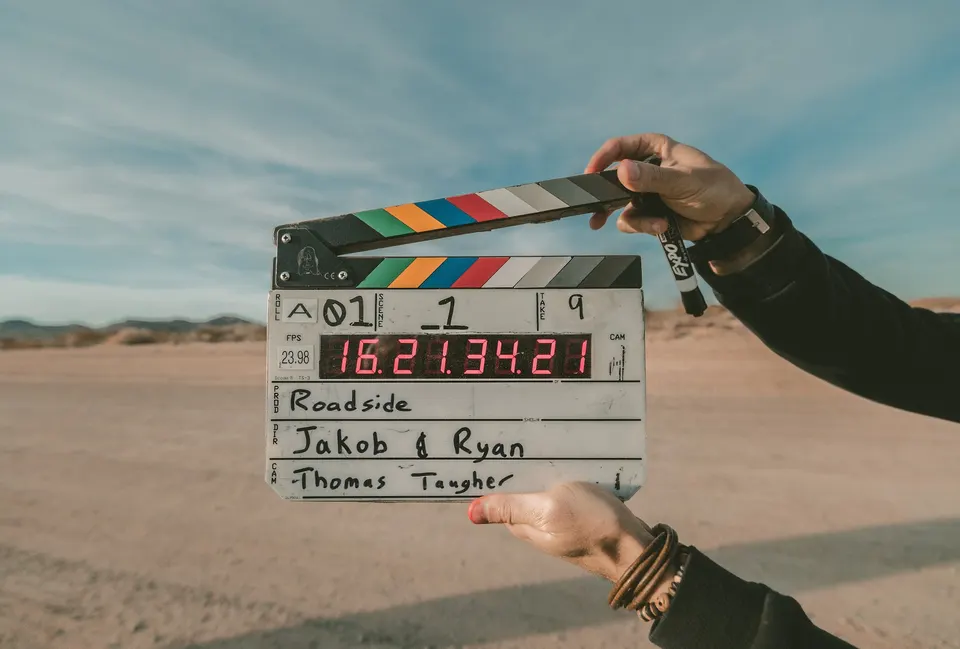
An introductory video on a website isn't about performing like an actor or building a YouTuber career. It is your digital handshake. Within a few dozen seconds, it answers an unspoken but absolutely crucial question for the visitor: "Is this the person I want to entrust with my time, money, or trust?"
The good news is that shooting such a video today doesn't require a film crew or weeks of preparation. You just need to grab your phone, follow a simple structure, and let go of unnecessary fear of imperfection.
What the Video Should Look Like: A Proven 90- to 120-Second Structure
You don't need to invent any complicated script. The best approach is a natural flow of speech divided into four short steps that match how your future client thinks:
- 1. Understanding the problem: Start with what your client is dealing with. „You might feel like you're fumbling around alone, or you've already tried a lot of things, but the results still aren't coming...“ At that moment, the client thinks: „Yes, that's exactly how it is for me. This person understands me.“
- 2. Who you are and what you do: A simple, human introduction in the context of your work. „My name is [Name] and for [X] years I've been helping people / businesses with [specific area]...“
- 3. Your approach and why it works: Explain in your own words how working with you unfolds and how it differs from others. Speak as if you were explaining it to a friend over coffee. Show that the path to results with you is safe and comprehensible, and that you have years of experience and roughly a certain number of satisfied clients behind you (if true). This adds a very valuable proof of trustworthiness to your message.
- 4. A clear next step: Tell the viewer what to do now if they are interested. „If you feel like this makes sense to you, get in touch via the form or pick a time for a short, no-obligation consultation right away. I'd love to meet you.“
What You Don't Need to Panic About at All (Technical Parameters)
Many professionals postpone filming because they feel they don't have the right equipment. Yet, in 2026, equipment is the absolute last thing that determines a video's success.
- You don't need an expensive camera: Any smartphone from recent years shoots in quality that is completely sufficient for the web.
- You don't need studio lights: Just sit facing a window. Natural daylight is more flattering and pleasant than most artificial reflectors. (Just don't stand with your back to the window so you aren't in silhouette.)
- You don't need a teleprompter: When people read text from a screen, their eyes often dart from side to side and their voice sounds unnaturally flat. It is much better to write 4 bullet points on a piece of paper (following the structure above) and speak off-the-cuff in your own words.
- The only thing that really matters is sound: People will forgive a poorer image, but they won't forgive echo from an empty room or background noise. It's enough to film in a quiet room (ideally with a carpet, curtains, or a sofa that absorb echoes) or use a simple, cheap micro-microphone for your phone.
What You Consider a Flaw, But Actually Helps You
The biggest hurdle is usually the pursuit of perfection. We have the image of television anchors in our heads and fear we will look amateurish. In the real world of services and consulting, however, the exact opposite is true: in an era of flawless yet cold AI-generated videos, people appreciate authenticity all the more.
What you consider your shortcomings are actually your strongest client magnets:
- Minor slips of the tongue and searching for words: When you pause for a second or slightly correct yourself, the viewer sees that you are speaking from the heart and from experience, not reciting a memorized commercial poem. It feels maximum human and ultimately trustworthy.
- Slight nervousness at the beginning: Admitting mild stage fright or speaking at a calmer pace makes you a normal flesh-and-blood human being. Clients feel a sense of relief—they won't worry that you're an unreachable "Mr. Perfect."
- A normal working environment in the background: A bookshelf, a houseplant, or your regular desk in the background feels much cozier and truer than a sterile white wall or an artificial blurred background from video calls.
- Your natural accent, tempo, and mimicry: You don't have to stylize yourself into someone else. Your natural delivery acts as the best filter—it will attract precisely the clients whose energy matches yours and save you work with those you wouldn't click with anyway.
Don't Want to Do It Alone? Let's Turn It Into an Interview
If you feel that talking alone into a mobile phone lens is still unnatural for you, there is an much easier path: a friendly, informal online interview. When a second person sits across from you and asks questions, you forget about the camera and simply talk about the work you love.
That is exactly how we do it at publishere.com – alongside the website itself, we can help you shoot an introductory video for a very reasonable price in the form of a relaxed online interview, from which we then edit a clean and natural presentation tailored directly to your pages. You just answer questions, and we'll take care of the rest.